Start With a Test, Not a System
Water quality varies by address and by source. Before buying equipment, test your tap. A simple home kit or a lab test shows hardness and certain minerals, and your water utility can provide its annual quality report for the supply that reaches your meter. Treat the test as the starting point.
We do not guess at your water. We look at your results, the symptoms you see and your plumbing, then recommend a system that matches. If your water already tests fine, we say so and save you the cost.
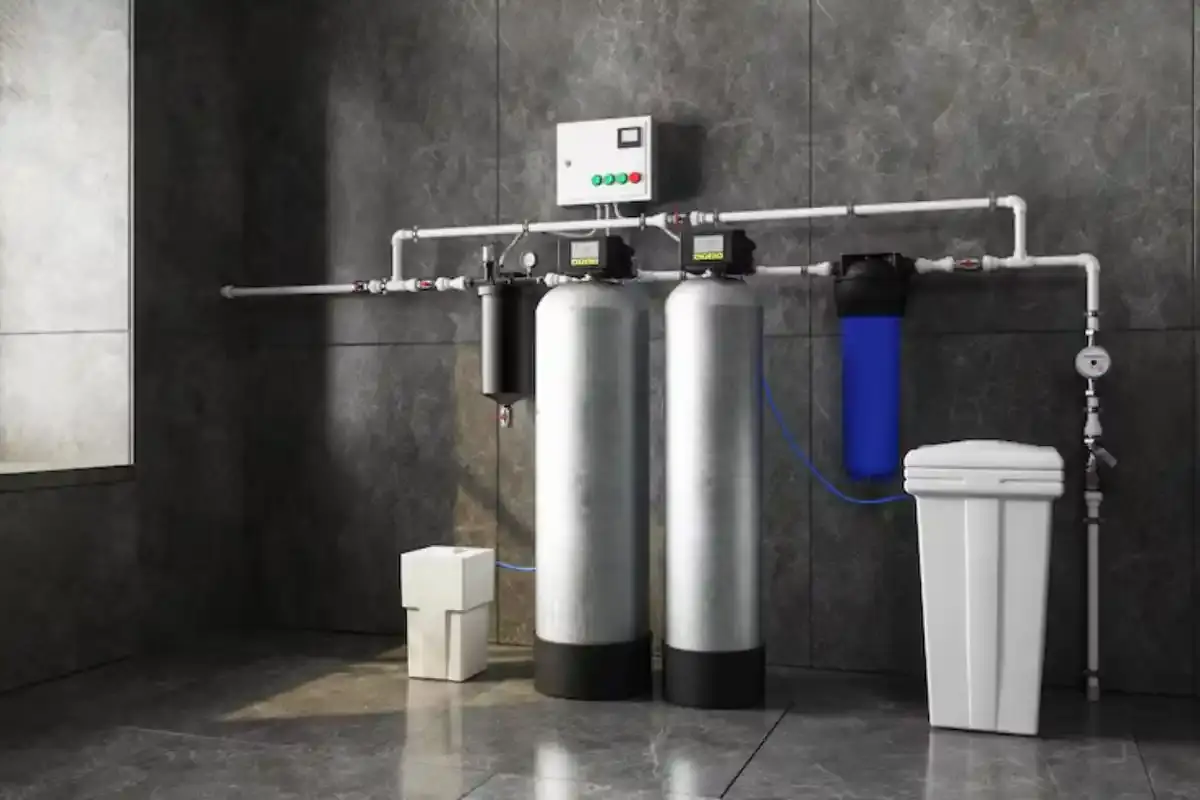
Softener or Filter: What Each One Does
| System | What it addresses | What it does not |
|---|---|---|
| Water softener | Hardness minerals that cause scale and spotting | Taste, odor and many contaminants |
| Whole house carbon filter | Chlorine taste and odor | Hardness |
| Sediment filter | Sand and particles | Dissolved minerals and taste |
| Under-sink filter | Drinking and cooking water at one tap | Whole-house scale |
Many homes need only one of these, and a few need a combination. Equipment that does not match your actual problem costs money and maintenance with no benefit.
Why It Matters for Your Plumbing
Scale shortens the life of water heaters and tankless heat exchangers and clogs faucet aerators. If you have a tankless unit, scale is a constant maintenance item. See our tankless water heater page for how scale affects service.
Coastal homes also face salt air outdoors, but that is separate from your tap water. Salt on the exterior of fixtures and fittings is a different problem than hard water inside the pipes, and a softener will not change it.
Curious about your water?
Call (855) 575-2890 to talk through the problem and ask about timing.
What a Good Installation Includes
- A bypass valve so you can isolate the system for service
- Proper drain and overflow connections for a softener
- Correct pressure and flow sizing for your household
- Clearance for salt or filter changes
- A walkthrough of maintenance and settings
Poor installation causes leaks, drain problems and low pressure. We handle the plumbing connections, and the system manufacturer provides the settings guidance. For related fixtures, see plumbing installation.
Rentals and Maintenance
A rental needs low-maintenance equipment. Salt refills, filter changes and resin care must fit your management routine.
Reading a Water Quality Report
Your water utility publishes an annual quality report, often called a consumer confidence report. It lists what was measured in the supply and how it compares with the standards. It reports the water in the system and not the water at your tap, so pipes inside the house and old fixtures can change what comes out of the faucet.
That is why a test at your own tap adds information. If the two disagree, the difference points to something inside your plumbing. We can help you read both and decide whether equipment is the answer or a pipe repair is.
Matching Equipment to the Problem You Have
Cloudy glasses and scale on a showerhead are not the same problem as a chlorine taste or a sulfur smell. Treat the one you have. Hard water spots call for a softener. A chlorine taste calls for carbon. A rotten egg smell often starts at the water heater and may be solved with a rod change or a flush, not with a filter.
Ask any seller what the system does, what it cannot do and what it needs each month. A clear answer is a good sign, and vague promises are a reason to look elsewhere. Our water heater repair team can check whether the smell starts in the tank.
What Affects the Price
Water Softener and Filtration Questions in Panama City Beach
Only if your water is hard enough to cause problems. Test your tap first.
Home kits are available, and certified labs test more thoroughly. Your utility also publishes an annual quality report.
No. A carbon filter handles chlorine taste and odor.
Yes. We check that it fits your plumbing and flow.
Most do. You add salt periodically, and we explain the routine.