Signs Your Pipes Are Due for Replacement
- Repeated pinhole leaks in different spots
- Brown or rusty water, especially after sitting
- Low pressure that gets worse over time
- Visible green corrosion on copper or flaking on galvanized lines
- A past recall or known problem pipe in your house
One leak is not a reason to repipe. A pattern of leaks usually is. Our burst pipe and leak detection teams can tell you whether you have a single failure or a failing system.
Pipe Materials in Local Homes
Homes built before the 1980s may still have galvanized steel, which rusts from the inside and restricts flow. Copper from the 1970s through the 1990s is common and can pinhole in aggressive water or soil. Polybutylene, used in some homes through the mid-1990s, is a known failure risk and a common reason for repiping.
In older parts of Panama City, you will see a mix of materials from different renovation periods. Homes repaired after storms may combine old and new pipe. We map what you have before recommending anything.
PEX or Copper?
| Material | Strengths | Trade-offs |
|---|---|---|
| PEX | Flexible, fewer fittings, quicker installation | Must be protected from sunlight and some chemicals |
| Copper | Long track record, tolerates heat and sunlight | Higher material cost, can corrode in aggressive conditions |
| CPVC | Lower cost, rigid | Can become brittle with age and heat |
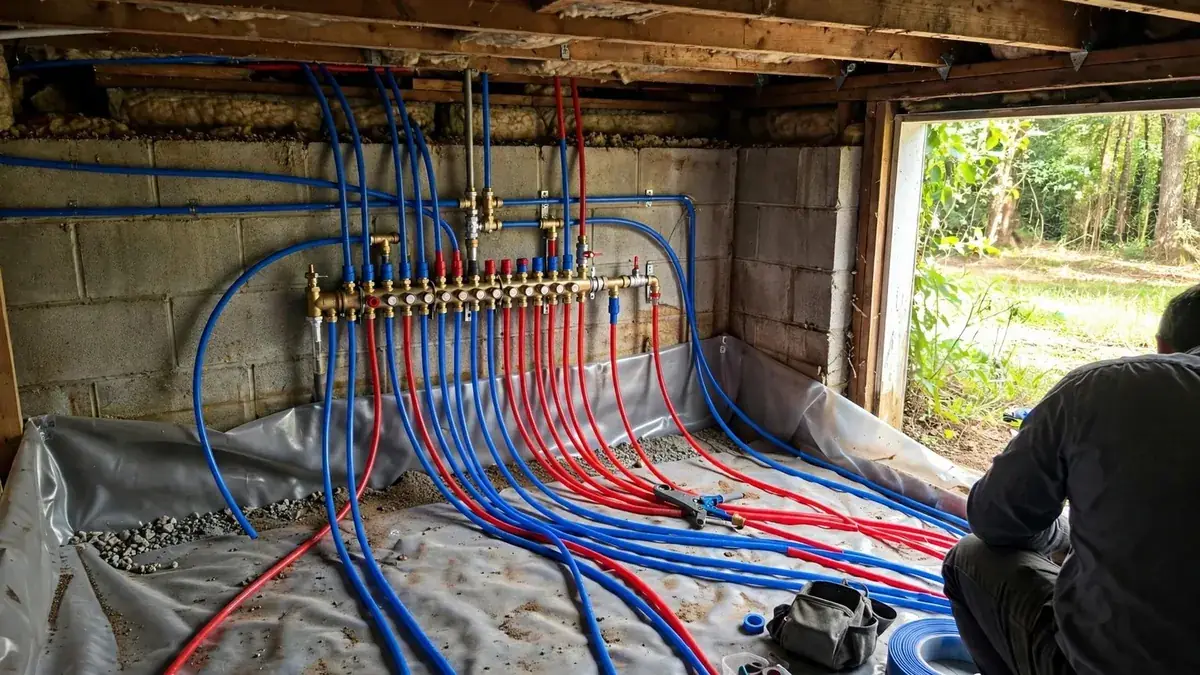
PEX is the most common choice for whole-house repiping because it goes in with less demolition. Copper is chosen for exposed runs or by owner preference. We explain both and use what suits your house.
Wondering if a repipe makes sense?
Call (855) 575-2890 to talk through the problem and ask about timing.
What the Work Looks Like
- Inspect the house, locate shutoffs and plan the new routes
- Pull permits where required
- Install new lines through attics, walls or crawlspace, in phases if you want
- Connect fixtures and test the system under pressure
- Patch the small access openings or coordinate with a drywall contractor
Slab homes often reroute overhead instead of cutting concrete. That approach is also an option after a slab leak when the system as a whole is failing.
Living in the House During a Repipe
Water is typically off for part of the day, and we plan around it. For rentals, scheduling between guests matters. Vacant homes and seasonal properties are easiest, because there is no one to disturb and the work can move quickly.
Dust and drywall openings are part of the job. We protect floors, cut small access holes and tell you ahead of time which rooms will be affected.
Insurance, Resale and Timing
Some insurers ask about pipe materials, and certain older types can affect coverage or premiums. If you are buying a home with polybutylene or galvanized pipe, ask your insurer what they require. A repipe done before listing can also remove a concern for buyers, though it will not always return its cost at sale.
Timing matters, too. A planned repipe lets you pick the materials, schedule around occupancy and choose the season. An emergency repipe after a flood leaves little room to choose. If your system is showing the warning signs, plan the work before the next leak forces your hand.
What Affects the Price
We provide the price in writing before the job is scheduled.
Call for your numberRepiping Questions in Panama City Beach
Repeated leaks, discolored water and falling pressure are the main signs. An inspection tells you whether the system is failing or one section is.
Many homes take a few days. Larger or more complex houses take longer.
Yes. Replacing a failing run or a single bathroom group is sometimes enough.
We try to limit openings by routing through attics and using small access holes.
Usually. Rules vary, and we confirm with the building department.